News & guides · 14 October 2026 · 5 min read
What does vodka taste like?
If your only experience of vodka is a freezing shot swallowed as quickly as possible, you may reasonably think the answer is "alcohol". But taste a few side by side and it gets more interesting. Vodka is a relatively neutral spirit, not a flavourless one. Different bottles can feel softer or sharper, lighter or fuller, slightly sweet, grainy, peppery or creamy. And you do not need an expert palate to notice it!
First: why vodka tastes "neutral"
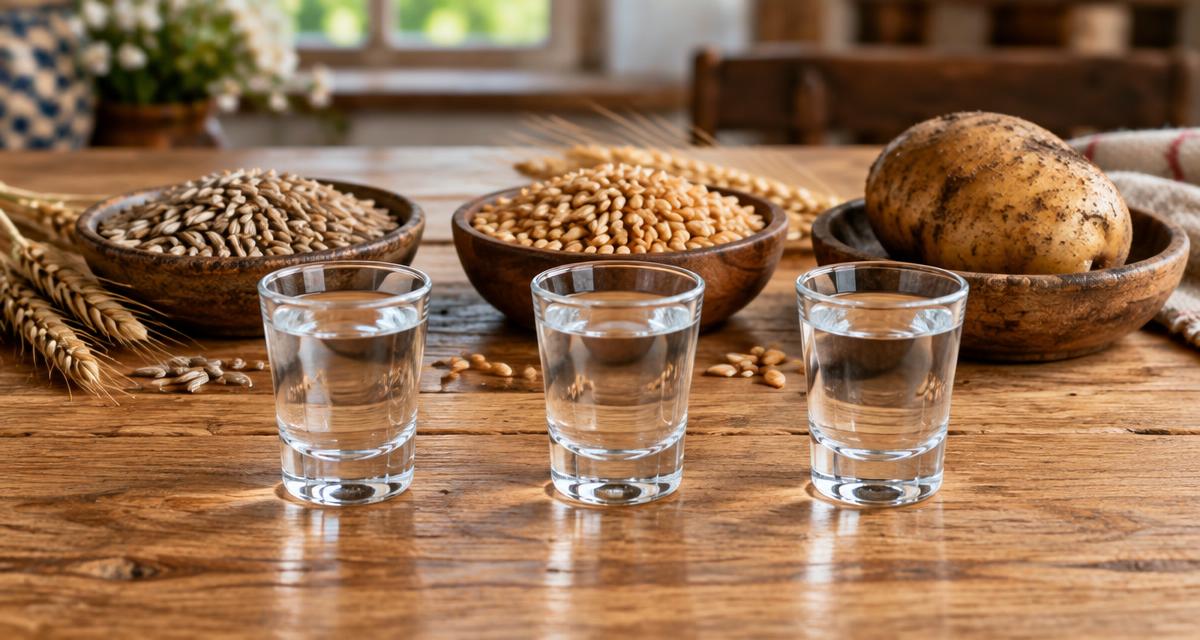
Vodka is made from agricultural raw materials that are fermented, distilled and highly purified before the spirit is diluted to drinking strength. That high level of purification removes much of the flavour created during fermentation. It is why vodka tastes cleaner and less obviously ingredient-led than spirits such as whisky or rum. But it does not remove every difference.
Research from Poznań University of Life Sciences found measurable differences in the volatile compounds of raw spirits made from rye, corn and potatoes. Potato spirits were particularly easy to distinguish from the grain samples in laboratory analysis.
So when someone tells you that all vodka tastes exactly the same, they are oversimplifying.
What should you actually look for?
Forget the dramatic wine-tasting vocabulary. With vodka, the easiest things to notice are:
- Texture → does it feel light and crisp, or fuller and almost creamy?
- Sweetness → some vodkas give a faint impression of sweetness even when no sugar has been added.
- Grain or earthy notes → depending on the spirit, you may pick up something bread-like, cereal-like or subtly earthy.
- Spice → rye-based vodkas in particular are often described as having a firmer, slightly peppery character.
- Finish → does the flavour disappear quickly, or hang around? Does the alcohol feel clean and warming or harsh?
The differences can be subtle. That is why tasting two or three vodkas next to each other works much better than trying to remember what a glass tasted like yesterday.
Does rye vodka taste different from potato vodka?
Usually, yes — although the raw material is only one part of the story. A useful rule of thumb is:
- Rye vodka often feels drier and more assertive, with grain and spice coming through.
- Potato vodka is often fuller and rounder, sometimes with a softer, creamier texture.
- Wheat vodka is commonly lighter and gentler.
But don't treat these as laws. Distillation, filtration, water and the producer's choices all affect the finished vodka too.
The scientific evidence is strongest for saying that spirits made from different raw materials can have different chemical profiles — not that every rye vodka must taste peppery or every potato vodka must taste creamy. For the ingredients and rules behind Polska Wódka, read Polish vodka, explained.
What about flavoured vodka?
That is a much easier difference to spot. ;-) Polish vodka traditions also include flavoured styles made with herbs, fruit and other ingredients. The official specification for Polska Wódka / Polish Vodka recognises both unflavoured and flavoured versions, with traditional production methods including the use of herbs, fruit extracts and other natural ingredients. See the Polish government's guide to regional and traditional flavours.
Depending on the bottle, you might come across cherry, quince, herbs, honey or other flavours. These are a good entry point if clear vodka has never appealed to you — but they are a different experience from comparing classic rye, wheat and potato vodkas. For the customs around serving them, see how to drink vodka like a Pole.
Does colder vodka taste better?
Colder vodka usually feels smoother because low temperature suppresses aroma and reduces the perception of alcohol. That can be pleasant when you're drinking a simple shot. It is less helpful when you're actually trying to taste the spirit.
If vodka is extremely cold, many of the subtle differences become harder to notice. For a tasting, the goal is not to make the alcohol disappear completely. You want enough aroma and flavour left to compare what is in the glasses.
Which is also why knocking every sample back immediately rather defeats the point.
Why does some vodka burn more?
Part of that sensation is simply ethanol. But a harsher impression can also depend on alcohol strength, serving temperature and the balance of other compounds in the spirit. A smoother vodka is not necessarily weaker; two vodkas at the same ABV can feel quite different. That is one reason professional tasting is based on more than "this one burns less". ;-)
So what does good vodka taste like?
There is no single correct answer. Good vodka should taste clean and balanced, but beyond that it depends on what you enjoy. One person may prefer a dry, characterful rye vodka; another may prefer the fuller texture of potato vodka. The useful question isn't really: "What is vodka supposed to taste like?"
It is: "Which vodka tastes best to me?"
The easiest way to find out is to taste several side by side. If you're wondering what a guided comparison adds, here's whether a vodka tasting is worth it.
Our Vodka Tastings and Vodka Tours in Warsaw, Kraków, Gdańsk and Wrocław, and our Vodka Tour in Poznań, are built around exactly that idea: compare different Polish vodkas, learn what you're tasting and see how much variation can hide inside something that looks completely clear.
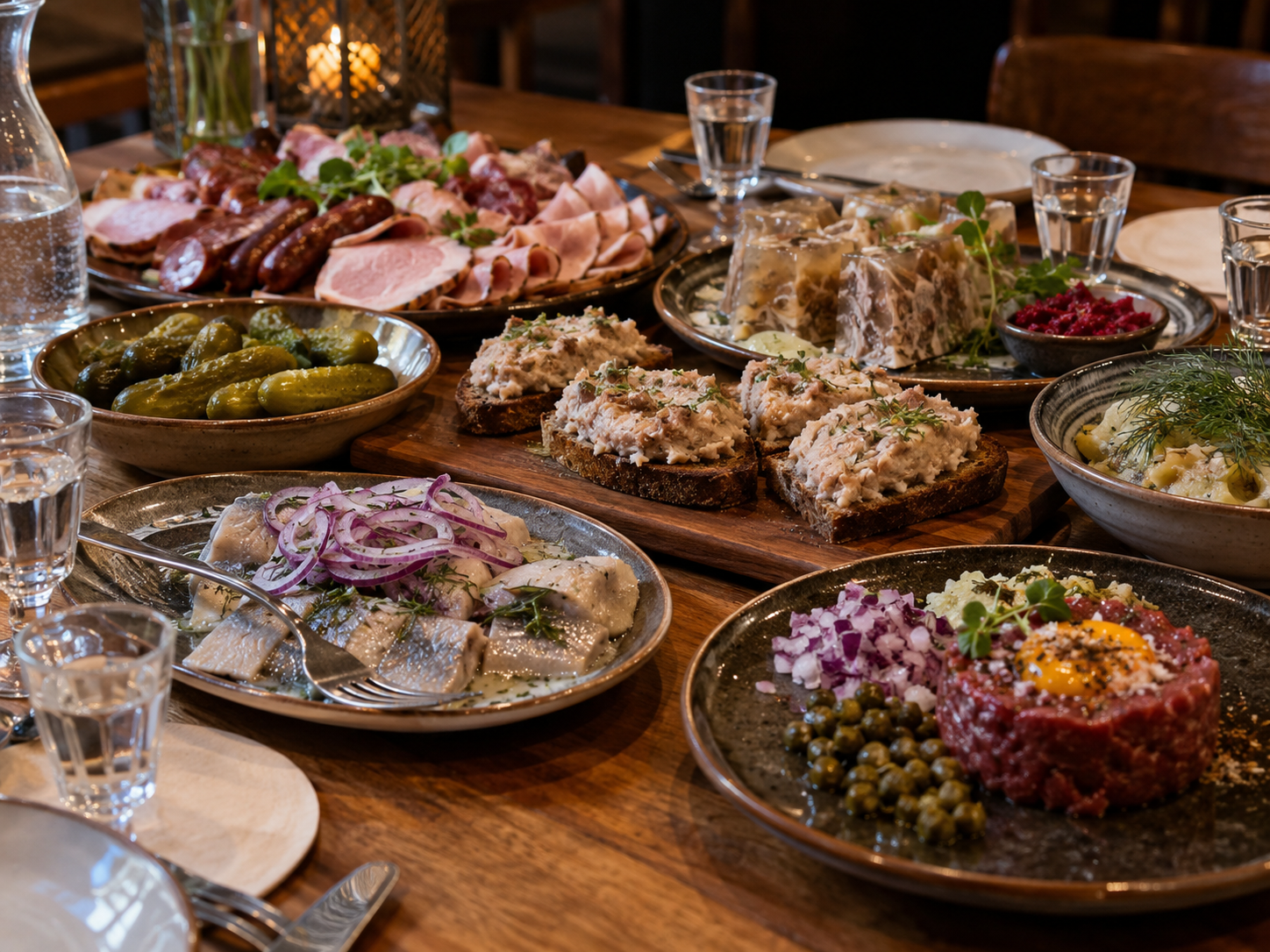
You may still decide you prefer one with a pickle. That's allowed. ;-) For the food side of the experience, read what Poles eat with vodka.
Taste it for yourself
Book a Polish vodka tasting or tour.
Choose a seated tasting or a guided tour in Warsaw, Krakow, Gdansk, Wroclaw or Poznan.
Choose your city →